






Professional building surveyors
See also:
It is important to clarify that building surveyors are not the same as quantity surveyors; many people confuse the two professions. Quantity surveyors are concerned with construction costs. On the other hand, building surveyors are trained to inspect buildings to ensure they comply with various codes and regulations.
In addition to having an excellent understanding of the law as it relates to construction, they are also concerned with evaluation of architectural plans that have been laid out, to ensure that they follow the rules and regulations as stipulated in the provisions of the relevant statutes and subsidiary legislation. In various parts of the world, building surveyors must be accredited by a professional association before they can start practicing. In addition to this, laws in some jurisdictions make professional indemnity insurance a mandatory requirement.
Building surveyors make sure that buildings are constructed in adherence with safety regulations. In the absence of a viable pool of this cadre of specialists, poorly constructed structures can be built. This is common in developing countries where laws are either inadequate or the enforcement is lax. Clearly, these are important professionals who guarantee the collective safety of society.
Apart from ensuring that contractors adhere to the law, these professionals also ensure that the design allows energy consumption in the building to be as efficient as possible. This is very important in this age when emissions from the combustion of fossil fuels are damaging the environment and many corporations are 'going green'. By ensuring that there is energy efficiency, companies can cut costs and increase profits. By influencing the design and functionality of buildings under construction, they are able to improve overall construction standards and ensure that contractors adhere to the best possible standards.
Like many other professionals in the construction industry, building surveyors do not function in isolation; they work in tandem with other professionals. These include civil engineers, interior designers, architects, land surveyors, quantity surveyors and so on.
[edit] Related articles on Designing Buildings Wiki
Featured articles
Check out some of the best features and news from Designing Buildings as well as key stories from around the web.

UKCW Birmingham returns with bold new theme and focus.

New guidance published on competence requirements for self-certification schemes.
Construction Management, 8 July

NEETs crisis drives interest in trades, but apprenticeships barriers remain.
Passive fire protection webinar
MEP services penetration seals.

Where its at podcast (and video) - The role of the Architectural Technologist as an Expert Witness.
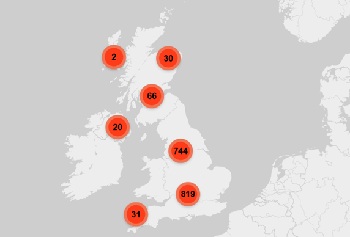
More than 200 remarkable buildings added to SAVE’s Buildings at Risk register.

Government scraps pre-application consultation for Nationally Significant Infrastructure Projects.
Historic England and infrastructure
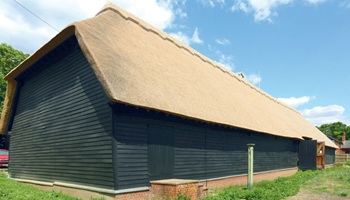
New projects offer opportunities for the historic environment and local communities.
Construction Management, 2 July

Construction deaths halve in two years.
Green Book changes to drive investment in all parts of UK.
Minimum energy efficiency standards (MEES)

CIAT briefing on response to consultations for privately rented non-domestic properties.